Adding a covered outdoor space is one of the best ways to improve your home’s comfort, appearance, and value. If you’re wondering how to attach a patio roof to an existing house, the answer depends on your home’s roof structure, local building requirements, and proper installation methods. A well-planned patio roof not only creates a comfortable outdoor living area but also protects your deck or patio from Washington’s changing weather.
At Washington Roofing Services, we understand that every roofing project requires careful planning, quality materials, and professional workmanship. Whether you are planning a new patio cover or upgrading an existing outdoor area, understanding the attachment process helps you make informed decisions before construction begins.
Why Homeowners Choose an Attached Patio Roof
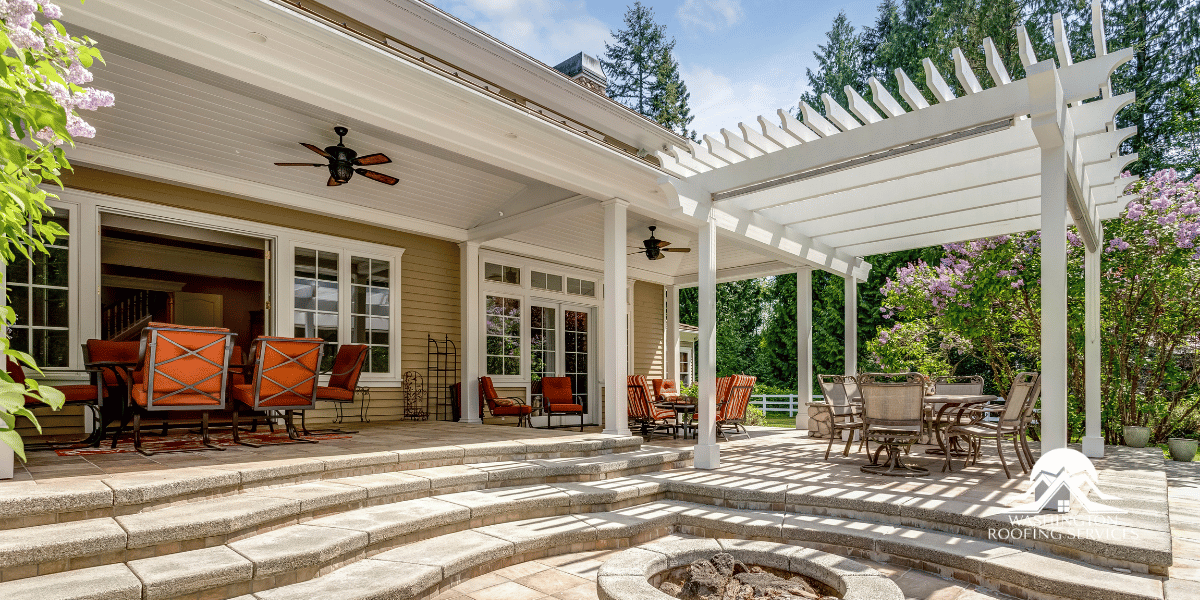
An attached patio offers a seamless transition between indoor and outdoor living. Instead of a separate structure, the patio roof connects directly to the existing house, creating a cleaner appearance while offering better weather protection.
Some of the biggest advantages include:
- Increased outdoor living space
- Better protection from rain and sunlight
- Improved home value
- Enhanced curb appeal
- More usable space throughout the year
- Better integration with your home’s existing design
For many Washington homeowners, adding a covered patio makes outdoor entertaining much more enjoyable regardless of the season.
Understanding How to Attach a Patio Roof to an Existing House
Before starting any construction project, it’s important to understand how to attach a patio roof to an existing house correctly. This type of project affects your home’s roof structure, waterproofing system, and long-term durability.
Professional installation generally includes:
| Installation Component | Purpose |
|---|---|
| Ledger board | Provides the primary connection point to the home |
| Rafters | Transfer the roof load across the structure |
| Beam | Supports the outer edge of the patio roof |
| Posts | Carry the weight of the beam safely to the foundation |
| Metal brackets | Strengthen structural connections |
| Flashing | Prevents water intrusion where the roof meets the home |
Each part must work together to create a safe and durable patio structure.
Planning Before Adding a Patio Roof
Before adding any new roof extension, several factors should be evaluated.
Existing Roof Structure
Every home is built differently. The slope, framing system, roof decking, and overall roof structure determine the safest installation method.
A professional inspection can determine whether the existing rafters have enough capacity for the additional load.
Local Building Codes
Washington building requirements may require permits and inspections depending on the size and design of the project. Following local regulations helps ensure safety and prevents costly corrections later.
Weather Considerations
Washington receives significant rainfall throughout the year. Proper drainage, waterproofing, flashing, and material selection are essential for long-term performance.
Common Steps for Installing an Attached Patio Roof
Although every project is unique, the general construction process follows several important steps.
1. Install the Ledger Board
The ledger board forms the connection between the patio roof and the existing house.
It must be securely fastened into the home’s structural framing rather than only into the siding. In many installations, the fascia board using lag screws may be appropriate only when engineering requirements are met, but most structural connections extend directly into framing members for maximum strength.
2. Remove Existing Roofing Material Where Needed
Depending on the design, some existing roofing material may need to be temporarily removed.
This allows installers to properly integrate waterproofing materials and flashing into the roof system rather than simply attaching against finished surfaces.
3. Install Flashing Correctly
One of the most important waterproofing steps involves installing l-shaped flashing that tucks beneath the existing shingles or roofing material.
Proper flashing helps prevent water from entering behind the ledger board and protects the home from moisture damage over time.
4. Install Rafters
The rafters create the framework that supports the patio roof.
Proper spacing depends on:
- Roof span
- Snow load requirements
- Roofing material
- Engineering specifications
When properly designed, roof rafters can be secured using approved fasteners and structural hardware to create a stable framework.
5. Build the Beam Structure
The opposite end of the rafters connects to a beam structure supported by vertical posts.
The beam distributes the roof load evenly while maintaining structural stability.
6. Complete the Roof Cover
Once framing is complete, installers finish the roof decking before installing the selected roofing material.
The finished patio cover may use:
- Asphalt shingles
- Standing seam metal roofing
- Composite roofing
- Polycarbonate panels
- Other approved roofing systems
Matching the home’s existing roof often creates the most attractive finished appearance.
Structural Considerations Matter
Attaching a new patio roof involves much more than simply fastening lumber together.
Professional contractors carefully evaluate:
- Structural load capacity
- Wind resistance
- Snow loads
- Beam sizing
- Post spacing
- Roof attachment methods
- Drainage planning
- Foundation requirements
Ignoring these factors may lead to structural problems, water intrusion, or premature failure.
Common Mistakes to Avoid
When learning how to attach a patio roof to an existing house, homeowners often underestimate the complexity of the project.
Avoid these common mistakes:
- Installing the ledger board into siding instead of framing
- Using undersized beam components
- Poor flashing installation
- Incorrect rafter spacing
- Insufficient structural support
- Skipping permits
- Not matching the roof slope
- Inadequate waterproofing around the roof contact area
Even small installation errors can create expensive repairs later.
Should You DIY or Hire a Professional?
While some homeowners enjoy DIY projects, attaching a patio roof directly to an existing house involves structural engineering, waterproofing, and roofing expertise.
Professional installation offers several advantages:
- Proper structural evaluation
- Code-compliant construction
- High-quality workmanship
- Better waterproofing
- Long-lasting durability
- Improved safety
- Professional project planning
Working with experienced roofing professionals helps protect both your investment and your home.
Why Washington Homeowners Trust Washington Roofing Services
Washington Roofing Services proudly provides dependable roofing solutions with a commitment to quality craftsmanship and customer satisfaction. Our experienced team understands the challenges that Washington weather places on residential roofing systems and outdoor structures.
Whether you’re considering roof repairs, replacements, inspections, or planning a new attached patio project, we focus on providing durable roofing solutions that protect your home for years to come. We also invite homeowners to explore our roofing blog for helpful information, maintenance tips, and expert guidance on a wide range of roofing topics to make confident decisions about their property.
Contact Washington Roofing Services
If you’re planning how to attach a patio roof to an existing house, choosing experienced roofing professionals can make all the difference. At Washington Roofing Services, we help homeowners throughout Washington with reliable roofing services, honest recommendations, and quality workmanship tailored to every project.
Whether you need an inspection before adding a patio roof, want to evaluate your existing roof structure, or are planning a complete roofing project, our team is ready to help. Contact Washington Roofing Services today to schedule a consultation and receive expert guidance for your home improvement project.
Washington Roofing Services is a licensed (WASHIRS820PB), bonded, and insured company.
Final Thoughts
Understanding how to attach a patio roof to an existing house begins with proper planning, structural evaluation, and quality installation. Every component, from the ledger board and rafters to the beam, flashing, roof decking, and posts, plays an important role in creating a safe and long-lasting outdoor space.
A professionally installed patio roof enhances both the beauty and functionality of your home while protecting your investment against Washington’s changing weather conditions. Whether you’re adding a new patio cover or upgrading an existing outdoor living area, working with experienced roofing professionals ensures your project is completed safely, efficiently, and built to last.