A large white rooftop on a warehouse or shopping center is often more than a design choice. It may be a TPO system, a popular option for protecting buildings with flat or gently sloped surfaces.
If you are asking, “What is TPO roofing?” the practical answer is straightforward: it is a flexible sheet system designed to keep water out while reflecting some of the sun’s heat. Whether it belongs on your property takes a closer look.
Andrew, who owns Washington Roofing Services with his wife, helps property owners understand those choices without getting lost in technical language. The goal is to match the right roofing solution to the building, budget, and conditions.
What Is TPO Roofing?
TPO stands for thermoplastic polyolefin. It is a type of single ply roofing, meaning its primary waterproofing layer consists of one membrane rather than several built up layers.
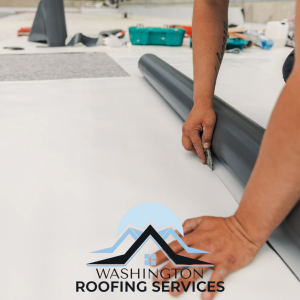
The sheets are rolled out across a prepared surface and joined using specialized equipment. A TPO membrane is commonly white, although other colors are available.
As Andrew explains, it is “a white membrane style of roof, which is like a flat sheet that we roll out.”
That simple description explains its appearance. Its performance, however, depends on the complete assembly and the quality of the installation.
Why TPO Suits Commercial Roofing
TPO roofing is widely used on warehouses, retail buildings, and other commercial properties because it can cover large areas efficiently. Its reflective surface can also reduce solar heat absorption compared with darker surfaces.
That does not guarantee a particular reduction in utility bills. Energy performance depends on climate, building use, existing insulation, and other factors.
For commercial owners, the appeal extends beyond surface color. Properly installed TPO can provide reliable protection while accommodating the penetrations and equipment common on commercial buildings.
Washington Roofing Services can help you consider whether those advantages are relevant to your property rather than assuming every white surface delivers the same results.
Where a TPO Roof Makes Sense
Although commercial applications are common, TPO is not limited to large buildings. Certain residential roofs, including some additions and gently sloped sections, may also be suitable.
Andrew makes that distinction clear:
“Although you do see it on a lot of commercial applications, it can also be used in a lot of residential applications.”
Still, a flat appearance does not mean a surface should hold standing water. Drainage remains essential, and suitability depends on the slope, existing condition, and surrounding details.
For homeowners, choosing TPO should follow an assessment, not simply a preference for a familiar product. Another roofing approach may better fit the property or budget.
How the Membrane Is Installed
Installing a single ply system involves much more than rolling out sheets. The supporting deck must be suitable, and the attachment method must match the assembly and applicable requirements.
Depending on the design, TPO may be mechanically attached or adhered. Installers use heat to weld adjoining sheets, creating continuous seams in the roofing membrane.
Transitions around edges, drains, and penetrations deserve particular attention. A strong field membrane cannot compensate for poorly executed details.
This is why choosing a roofing contractor involves more than comparing product names. Ask how the proposed installation addresses drainage, attachment, and vulnerable areas. Those answers help distinguish a complete plan from a basic price.
How It Compares With Other Options
TPO is one choice among several roofing materials. PVC, EPDM, and torch down systems have different installation methods, performance characteristics, and suitability considerations.
For example, PVC may deserve consideration where certain chemical exposures are expected. EPDM is another established single ply option, but its seam methods and typical surface characteristics differ from TPO.
Restorative coatings may also be worth discussing for some existing systems, although they are not a universal substitute for replacement.
Washington Roofing Services focuses on evaluating the options against the actual building. As Andrew puts it, “We can balance budget, we can balance product.”
That balance matters more than declaring one product the winner for every roofing situation.
What Affects Cost and Long Term Value?
The price of TPO roofing depends on more than square footage. Access, removal requirements, drainage corrections, and the complexity of the roof can all affect the scope.
A commercial roofing estimate should explain what is included and identify conditions that might change the work required. Membrane thickness and assembly specifications also influence the proposal.
Ask about the warranty, including its coverage, exclusions, and maintenance requirements. A longer stated term does not automatically mean broader protection.
Routine inspections and timely attention to damage can help maximize service life. No roofing system should be treated as maintenance free, especially where debris or rooftop activity creates additional wear.
Talk With Andrew About Your Property
The next step is not choosing TPO from a photograph. It is finding out whether the system fits your building.
Washington Roofing Services can inspect your roof, discuss your priorities, and help compare suitable options. That conversation gives you a clearer basis for deciding how to move forward with residential or commercial roofing work.
You can also expect direct communication. Andrew says, “If you call my company, you will talk to me directly, and if you need anything, give me a call and I’ll be out.”
Contact Washington Roofing Services to arrange an inspection and discuss a practical roofing recommendation for your property.