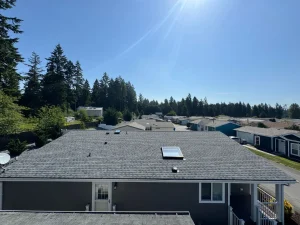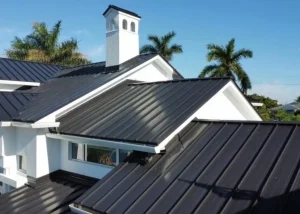
Yes, it is possible to put a metal roof over shingles, but that does not automatically make it the best choice for your home. The condition of the existing materials, local building requirements, and the proposed roofing system all influence whether an overlay makes sense.
For Washington Roofing Services, the question is not simply whether the work can be done. It is whether the finished roof will perform properly without covering up problems that deserve attention first.
Andrew, the owner of Washington Roofing Services, explains his position clearly: “It is possible, although in some climates, it’s actually really a lot more acceptable than around here.”
That distinction matters for homeowners weighing immediate savings against lasting protection.
When Installing a Metal Roof Over Shingles May Be Possible
An overlay may be an option when the existing shingle roof is sound, the supporting structure is adequate, and the selected product allows that installation method. Local code requirements, including restrictions on existing layers, also need to be checked.
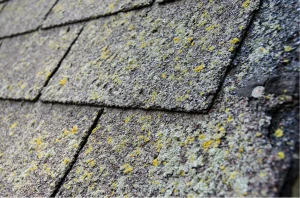
However, permission to proceed is not the same as a recommendation. Existing asphalt shingles can conceal deteriorated decking, moisture issues, or previous workmanship mistakes.
Before recommending metal roofing, a qualified roofing contractor should evaluate what is already there and determine whether keeping it creates unnecessary risk. Washington Roofing Services takes that decision seriously rather than treating an overlay as an automatic shortcut.
Why the Surface Underneath Matters
Metal panels need appropriate support. An uneven shingle surface can interfere with how panels sit and how they respond to foot traffic during installation or future maintenance.
Andrew describes the appearance homeowners generally expect: “Metal is literally meant to look nice and smooth and clean.”
Putting panels directly against rough shingles can compromise that result in some assemblies. Depending on the product and support conditions, irregularities underneath may contribute to visible distortion or denting.
Some roofing systems use battens, also called strapping, to create a supporting framework above the old covering. This can provide separation and an air space beneath the metal. However, battens are not a universal solution, and their spacing and attachment must follow the engineered assembly and manufacturer requirements.
The right approach depends on the specific metal roofing product, not a generic technique copied from a video.
Drainage Details Deserve Close Attention
The broad, open sections of a roof are only part of the project. Chimneys, valleys, wall connections, and penetrations often demand more careful planning.
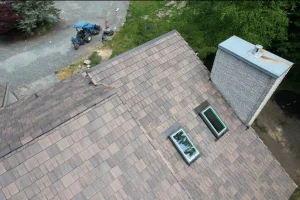
Andrew highlights a chimney cricket, a raised feature that diverts water around a chimney. Adding battens near that feature can complicate panel support and interfere with drainage if the assembly is poorly designed.
Raising the finished surface can also require changes to flashing. Existing details may no longer align with the new metal roof, even if they appeared functional beforehand.
Fasteners need adequate anchorage into suitable decking or framing, as the system requires. Shingles alone do not provide that support.
These transitions help explain why a seemingly simple roofing overlay can become more involved than expected. A sound roofing approach must account for water movement, attachment, and flashing together.
What Removing the Old Materials Reveals
A complete tear off allows the contractor to examine the roof deck directly. That access can reveal soft areas, concealed damage, or sections of plywood that need replacement before new roofing materials go on.
It also creates an opportunity to evaluate ventilation and address conditions that might otherwise remain hidden beneath the shingles.
Andrew puts the investment into perspective: “If you just take the shingles off, it’s definitely a bigger investment upfront, but a lot of times it’s worth it.”
Keeping the old covering may reduce removal work, but it does not resolve existing damage. Covering an unresolved moisture problem can leave the home vulnerable even when the exterior looks new.
For Washington Roofing Services, visibility into the underlying structure is a major reason to prefer removal. A thorough inspection helps establish whether repair work or ventilation changes should come before the replacement.
Is Metal Roofing Worth the Extra Preparation?
Metal can be an excellent roofing choice when the complete assembly is designed and installed correctly. Its performance depends on more than the panels homeowners see from the ground.
Underlayment, condensation control, ventilation, fasteners, and flashing all contribute to a dependable roof. An air gap does not automatically provide effective ventilation unless the assembly includes appropriate airflow paths.
When comparing estimates, ask what each proposal includes. Does it address removal of shingles, potential decking replacement, flashing changes, and manufacturer requirements? Does the price reflect a complete roof installation or simply covering the existing surface?
A lower initial figure may reflect less preparation rather than better value. The goal is to understand those differences before committing.
Get an Honest Recommendation for Your Home
Whether your project qualifies for an overlay requires an individual assessment. The number of existing layers, signs of leaks, drainage details, and product specifications all matter.
Washington Roofing Services can help you weigh those considerations and understand why a tear off may be the better investment before proceeding with metal.
Andrew makes a direct promise about that conversation: “If you call my company, you’ll talk to me every time.”
Contact Washington Roofing Services to discuss your roof and get an honest recommendation based on its condition, not just the appeal of a faster roofing project.