Your roof does much more than protect your home from the weather. Its design also affects drainage, material selection, maintenance, energy efficiency, and the overall appearance of your property. Understanding how to calculate roof pitch is valuable whether you’re planning a new roofing project, replacing an existing roof, or simply learning more about your home.
At Washington Roofing Services, we believe homeowners should have access to clear, practical roofing information. This guide explains how to calculate roof pitch, what the numbers mean, and when it’s best to have a professional verify your measurements before starting a project.
What Is Roof Pitch?
Roof pitch is the measurement that describes how steep a roof is. It compares the vertical rise of the roof to its horizontal run. In simple terms, roof pitch is the roof’s vertical rise divided by its horizontal run.
For example:
| Pitch Ratio | Meaning |
|---|---|
| 4:12 | The roof rises 4 inches for every 12 inches of horizontal run |
| 6:12 | The roof rises 6 inches for every 12 inches of horizontal run |
| 8:12 | The roof rises 8 inches for every 12 inches of horizontal run |
| 12:12 | The roof rises 12 inches for every 12 inches of run, creating a 45-degree angle |
Knowing your roof pitch helps determine:
- Suitable roofing materials
- Drainage performance
- Roofing installation methods
- Safety requirements
- Estimated material quantities
- Roof replacement costs
Why Learning How to Calculate Roof Pitch Matters
Knowing how to calculate roof pitch helps homeowners better understand their roofing system before requesting estimates or planning repairs.
Accurate pitch information can help you:
- Compare contractor estimates
- Estimate roofing material needs
- Understand water drainage
- Evaluate attic ventilation
- Prepare for insurance discussions
- Plan future roofing maintenance
While basic calculations are useful, professional measurements remain the most accurate, especially on complex roofing systems.
Tools You’ll Need
Before learning how to calculate roof pitch, gather these simple tools:
- Spirit level
- Tape measure
- Pencil
- Notebook
- Calculator
- Ladder with proper safety equipment
If you prefer, you can also use a pitch calculator after collecting your measurements.
Step-by-Step Guide: How to Calculate Roof Pitch
Step 1: Place the Spirit Level
Position a 12-inch spirit level horizontally against the underside of a roof rafter inside the attic whenever possible. Working from the attic is often safer than climbing onto the roof.
Step 2: Measure the Rise
From the 12-inch mark on the level, measure straight up to the underside of the roof.
This vertical measurement is called the rise.
For example:
- Horizontal run = 12 inches
- Rise = 6 inches
Your pitch ratio becomes:
6:12
Step 3: Record Your Measurement
Write down the rise and run carefully.
Common examples include:
- 3:12
- 4:12
- 5:12
- 6:12
- 8:12
- 10:12
- 12:12
These measurements represent how many inches the roof rises over its horizontal run.
Step 4: Use a Calculator
After entering your measurement into a roofing calculator or pitch calculator, you can estimate:
- Pitch angle
- Roof slope
- Roofing material requirements
- Approximate square footage adjustments
Many homeowners use an online calculator for convenience, although professional verification is always recommended before construction begins.
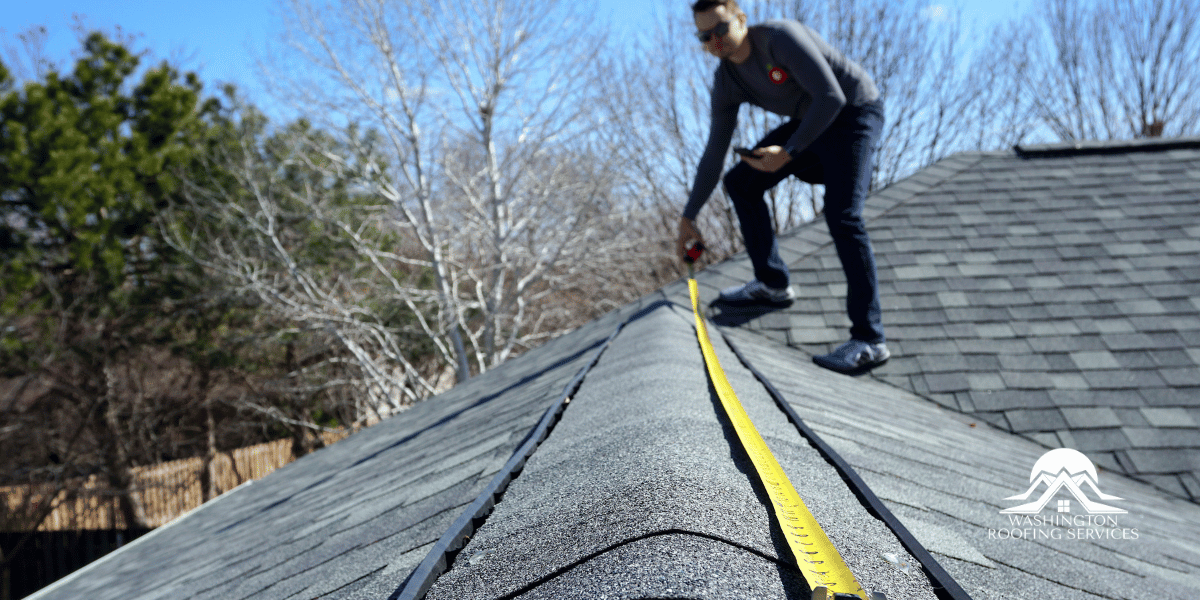
Understanding Roof Slope vs. Roof Pitch
People often use these terms interchangeably, but they are slightly different.
| Roof Pitch | Roof Slope |
|---|---|
| Compares rise to total span | Compares rise to run |
| Expressed as a pitch ratio | Expressed as inches per foot |
| Common in residential roofing | Frequently used in engineering |
Both describe how steep the roof is, but roofing professionals may reference one or both depending on the project.
Common Roof Pitch Examples
Here are several common residential roof pitch examples.
| Pitch Ratio | Typical Use |
|---|---|
| 2:12 | Low-slope roofing |
| 4:12 | Standard residential homes |
| 6:12 | One of the most common roof pitches |
| 8:12 | Better water shedding |
| 10:12 | Steeper architectural roofs |
| 12:12 | High-pitch residential designs |
The minimum roof pitch varies depending on the roofing material being installed.
Factors That Affect Roof Pitch
Several design considerations influence the final roof pitch selected for a home.
Climate
Areas with frequent rain often benefit from steeper roofs that allow water to drain efficiently.
Roofing Material
Different roofing products have recommended minimum roof pitch requirements.
Home Design
Architectural style plays an important role in selecting the appropriate roof slope.
Local Building Codes
Building regulations may influence acceptable pitch for certain roofing systems.
Can You Measure Roof Pitch From the Ground?
Sometimes.
Some professionals use digital tools or specialized equipment to estimate pitch angle from the ground. However, direct measurement provides greater accuracy.
If access is limited, experienced roofing contractors can safely obtain precise measurements using professional equipment.
Mistakes to Avoid When Measuring
Avoid these common errors when learning how to calculate roof pitch:
- Measuring without a level
- Guessing instead of recording exact measurements
- Working on a wet or slippery roof
- Ignoring safety precautions
- Confusing rise with run
- Forgetting to verify multiple measurements
Even small mistakes can affect roofing estimates and material calculations.
When Should You Call a Roofing Professional?
While understanding how to calculate roof pitch is helpful, many homes have complex roof designs with multiple slopes, valleys, dormers, or intersecting sections.
Professional roofing inspections ensure:
- Accurate measurements
- Safe access
- Proper material estimates
- Code-compliant recommendations
- Long-lasting roofing solutions
For repairs or replacements, professional measurements help eliminate costly mistakes before work begins.
Why Homeowners Choose Washington Roofing Services
Washington Roofing Services proudly provides dependable roofing solutions backed by quality workmanship and customer-focused service. Whether you need a roof inspection, repair, replacement, or help understanding your roof’s condition, our experienced team is committed to providing honest recommendations and reliable results.
We believe informed homeowners make better decisions, which is why we regularly share helpful roofing resources through our blog. If you’d like to learn more about roof maintenance, inspections, or replacement planning, be sure to explore the educational articles available on our website.
Contact Washington Roofing Services
If you’re unsure about your roof pitch or want accurate measurements before starting a roofing project, Washington Roofing Services is ready to help.
Our experienced roofing professionals can inspect your roof, provide precise measurements, explain your options, and recommend the best solution for your home. Whether you’re replacing an aging roof or planning future improvements, we’re committed to delivering dependable roofing services with quality craftsmanship throughout Washington.
Contact Washington Roofing Services today to schedule your professional roof evaluation and let our team help protect your home with roofing solutions you can trust.
Washington Roofing Services is a licensed (WASHIRS820PB), bonded, and insured company.