How to Measure a Roof for Shingles? | A Step-by-Step Guide for Accurate Roofing Estimates
A roof is more than just the top layer of a home. It protects your family, improves energy efficiency, and adds long-term value to your property. But before any roofing project begins, one important step comes first: accurate measurements. Knowing how to measure a roof for shingles helps homeowners avoid costly mistakes, estimate materials correctly, and plan roofing projects with confidence.
At Washington Roofing, we believe that understanding the basics of roof measurements can help property owners make smarter decisions for both residential and commercial roofing projects. Whether you are replacing old shingles or preparing for a brand-new installation, this guide will walk you through the process in an easy and professional way.
Why Accurate Roof Measurements Matter in Roofing Projects
Every roofing project begins with one goal: determining the exact roof area. Without accurate measurements, it becomes difficult to estimate the right amount of shingles, underlayment, flashing, and other building materials. Ordering too many materials increases costs, while ordering too little can delay the project.
Professional contractors like Washington Roofingunderstand that precise calculations are the foundation of successful roofing work. Roof measurements also help determine labor costs, waste factors, and the total surface area that needs protection.
Whether you own a residential building or a commercial property, learning how to measure a roof for shingles can save time and improve budgeting accuracy.
Start With the Base Area of the Roof
The easiest way to start measuring is to calculate the building's base area. The base area is the footprint of the structure before accounting for roof pitch or slopes.
Begin by measuring the length and width of your home in feet. Multiplying these two figures will give you the square footage of the building’s base area.
For example:
- A building that is 40 feet long and 30 feet wide has a base area of 1,200 square feet.
- This number serves as the starting point for estimating the actual roof area.
- Roof overhangs and extensions should also be included in your measurements.
At Washington Roofing, roofing specialists often recommend double-checking every measurement to avoid errors later in the estimate process.
How to Measure a Roof for Shingles From the Ground
Many homeowners prefer measuring from the ground because it is safer and easier than climbing onto the roof. While professional roofers use advanced tools and safety equipment, you can still gather useful roof measurements from below.
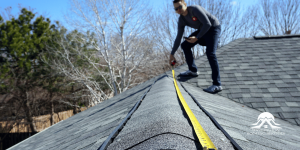
Start by measuring the exterior walls of the building with a tape measure or a laser measuring tool. Include garages, porches, and attached sections if they are part of the roofing system. Once you have the dimensions, sketch a simple diagram of the roof layout.
This method works well for simple roof designs, but complex roof sections may require additional calculations. Washington Roofingoften uses drone technology and advanced measuring systems to improve accuracy for larger or steeper projects.
Ground-based measuring is especially useful for homeowners preparing an initial roofing estimate before speaking with a contractor.
Understanding Roof Pitch and Pitch Multiplier Calculations
Roof pitch plays a major role in determining the actual area of the roof. A steep-pitched roof has more surface area than a flat roof with the same base dimensions.
Roof pitch is the number of inches the roof rises vertically for every 12 inches of horizontal run. For example, a 6/12 roof pitch rises 6 inches for every 12 inches across. To calculate the total surface area, roofers use a pitch multiplier. The multiplier adjusts the base area to account for the additional surface area created by the slope.
Here are common examples:
- 4/12 pitch multiplier: approximately 1.05
- 6/12 pitch multiplier: approximately 1.12
- 8/12 pitch multiplier: approximately 1.20
If your base area is 1,200 square feet and your pitch multiplier is 1.12, the actual roof area becomes 1,344 square feet.
At Washington Roofing, experienced roofing professionals carefully analyze roof pitch to ensure precise material estimates and project planning.
Measuring Each Roof Section for Better Accuracy
Not every roof is simple in shape. Many homes include valleys, dormers, hips, and multiple roof sections. In these cases, each roof section should be measured individually.
Divide the roof into smaller rectangles or squares. Measure the length and width of each section separately, then calculate the square footage for each area. Add the totals together to determine the complete roof area.
This step is important because irregular shapes can significantly affect material needs. A small measuring mistake in one section may lead to shortages later during installation. Professional contractors at Washington Roofingoften create detailed diagrams during inspections to ensure every section is accounted for correctly.
Using an Area Calculator or Shingle Calculator
Technology has made roof measuring easier than ever. Online area and shingle calculators can help homeowners quickly estimate roofing materials.
Most calculators ask for:
- Roof dimensions
- Roof pitch
- Number of roof sections
- Waste percentage
- Shingle type
These tools provide a rough estimate for shingles, underlayment, and other roofing materials. However, calculators are only as accurate as the measurements entered.
That is why Washington Roofingrecommends using online resources as a starting point rather than a final quote. A professional inspection always delivers more reliable results.
Estimating Roofing Materials and Square Requirements
Roofing materials are typically sold by the square. In roofing terms, one square equals 100 square feet of roof area.
To estimate shingles, divide the total surface area by 100. For example, a roof measuring 1,500 square feet requires approximately 15 squares of shingles, plus waste. Most roofing contractors recommend adding 10% to 15% extra materials for cutting, trimming, and unexpected adjustments. Complex roofs may require even more.
Common roofing materials needed include:
- Shingles
- Underlayment
- Ice and water shield
- Flashing
- Ridge caps
- Nails and fasteners
Washington Roofing helps homeowners choose high-quality building materials that are long-term, durable, and weather-resistant.
Common Mistakes to Avoid During Roof Measurements
Learning how to measure a roof for shingles becomes much easier when you know what mistakes to avoid. Even small errors can affect the entire estimate.
One common mistake is forgetting roof overhangs. These extensions add extra square footage and should always be included. Another issue is ignoring the roof pitch, which significantly changes the actual surface area.
Some homeowners also rely entirely on online calculators without verifying their measurements. While calculators are useful, inaccurate input leads to inaccurate results.
At Washington Roofing, roofing experts carefully inspect every detail to eliminate guesswork and ensure accurate estimates for both residential and commercial projects.
When to Call a Professional Roofing Contractor
Although measuring a roof yourself can provide a general estimate, some roofing projects require professional expertise. Steep roofs, multi-level buildings, and damaged roofing systems can create safety risks and measurement challenges.
Professional contractors use specialized equipment, advanced measuring software, and years of experience to produce precise roof measurements. They can also identify hidden problems such as water damage, structural concerns, or ventilation issues.
Washington Roofingprovides trusted roofing services designed to help homeowners protect their investment with confidence. From inspections to full roof replacement projects, their experienced team delivers reliable workmanship and accurate estimates every step of the way.
Accurate Roof Measuring Leads to Better Roofing Results
Measuring a roof correctly is one of the most important parts of any roofing project. From calculating the base area to understanding roof pitch and total surface area, every step contributes to a more accurate estimate.
By learning how to measure a roof for shingles, homeowners can better prepare for roofing expenses, choose the right materials, and communicate more effectively with contractors. Whether you are handling a small repair or planning a complete roof replacement, accurate measurements make the process smoother and more efficient.
Contact Us
When precision matters, Washington Roofingis ready to help with expert guidance, dependable service, and professional roofing solutions tailored to your needs. Contact Washington Roofingtoday and turn your roofing project into a stress-free experience backed by trusted professionals.