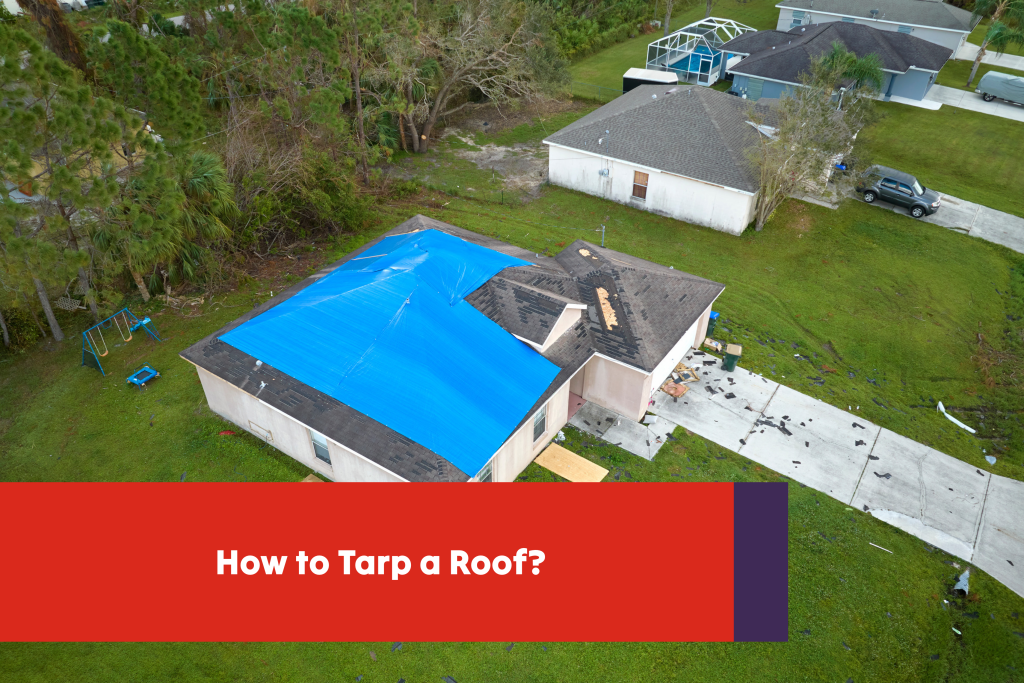
A roof tarp can be the difference between a temporary roof problem and expensive interior damage when bad weather is on the way. When shingles, flashing, or other roofing materials are damaged, placing a tarp over the affected area can help limit water intrusion until permanent roof repairs are completed. However, knowing how to tarp a roof safely is important because working on a roof can involve serious fall and weather-related hazards.
For homeowners dealing with storm damage, fallen branches, leaks, or other unexpected problems, a properly installed roof tarp provides temporary protection. Washington Roofing understands that roof damage can happen without warning, so quick but careful action can help protect your home or building.
How to Tarp a Roof Before More Damage Occurs
Learning how to tarp a roof starts with understanding when tarping is appropriate. A tarp is generally a temporary protective measure, not a permanent roofing solution. It can cover an exposed section and help prevent rainwater from reaching the roof deck, insulation, ceilings, and interior spaces.
Before starting, inspect the situation from a safe location. Look for visible damage such as missing shingles, punctures, exposed roof decking, or areas where water may enter. If the roof has major structural damage, sagging sections, loose materials, or dangerous access conditions, avoid climbing onto it.
Washington Roofing recommends treating roof tarping as an emergency protection step while arranging professional roofing services. A temporary covering can reduce weather exposure, but you should still have a professional evaluate and repair damaged roofing.
Choose the Right Tarp for the Job
Not every tarp is suitable for protecting a damaged roof. A lightweight tarp may tear, stretch, or allow water to pass through when exposed to wind and rain. For temporary roof protection, a heavy-duty tarp designed for outdoor use is generally a more practical choice.
The tarp should be large enough to extend beyond the damaged area. Measure the section that needs coverage and allow additional material around the edges for proper securing. If the tarp is too small, water can reach gaps around the damaged area. If it is excessively large, handling it in windy conditions can become more difficult.
The goal is to create a broad protective surface that directs water away from the damaged section instead of allowing it to collect underneath.
Prepare the Roof Area Carefully
Once you select the appropriate tarp, preparation becomes an important part of the process. Remove loose debris only if you can do so safely. Do not walk across unstable roofing materials or attempt to remove structural components that could fall.
The tarp should lie as flat as reasonably possible over the affected area. Wrinkles, loose sections, and poorly positioned tarp edges can create openings where water enters.
If safe access is possible, identify solid anchor points that can support the tarp. These may include appropriate structural areas or temporary fastening points, depending on the roof design and the method being used.
Washington Roofing emphasizes that safety should come before speed. Wet roofing surfaces, steep slopes, strong winds, and damaged sections can make DIY tarping hazardous.
Measure and Position the Roof Tarp
Correct positioning helps the tarp provide better temporary protection. Start by determining how far the damaged area extends. The tarp should cover the problem area completely and extend beyond it.
Position the upper portion so water can flow over the tarp rather than underneath it. Avoid placing the tarp in a way that creates pockets where water can accumulate.
If additional pieces are needed, create enough overlap between sections to reduce the chance of water reaching the roof beneath. The overlap should follow the natural direction of water flow.
Take your time when positioning the material. A few extra minutes spent checking the coverage can make the temporary roof protection more effective during the next period of bad weather.
Attach the Tarp Without Creating New Problems
Next, secure the tarp material. Depending on the situation, homeowners may use tarp clips, tarp straps, fasteners, or other suitable methods. The specific approach depends on the roof structure, tarp design, weather conditions, and available anchor points.
Avoid fastening materials directly into areas that may already be weakened unless you understand the roofing system and the potential consequences. Improper nails or fasteners can create additional openings that let water in.
Tarp clips can be useful because they provide a gripping point along the tarp without requiring every fastening point to penetrate the material. Tarp straps can also help hold sections in place when used with suitable anchors.
The objective is to secure the tarp without tearing it or compromising the roof beneath it.
Secure Tarp Edges Against Wind
Loose tarp edges are one of the most common reasons temporary roof coverings fail. Wind can get underneath an unsecured edge and lift the entire tarp, potentially causing additional damage.
After positioning the material, inspect every exposed edge. Make sure the corners and sides are firmly secured and that no large loose sections can flap in the wind.
Use appropriate tarp straps or tarp clips where suitable, and check that each anchor is strong enough for the expected weather. A temporary covering should remain stable without placing excessive stress on already damaged roofing materials.
Washington Roofing recommends checking the tarp after significant weather changes. Strong winds, heavy rain, and falling debris can affect even a carefully installed roof tarp.
Know When DIY Tarping Is Not Safe
Roof tarping may appear straightforward, but getting onto a roof can be dangerous. Slippery surfaces, steep pitches, damaged decking, electrical hazards, and unstable roofing materials can all create serious risks.
In some situations, it is better to contact a professional contractor than try to do the work yourself. Consider professional assistance when:
- The roof is steep, wet, unstable, or difficult to access.
- Significant structural or storm damage is present.
- Large sections of roofing are missing or exposed.
- Strong winds make the tarp difficult to control.
- You cannot identify safe anchor points.
- The damage extends across a large residential or commercial building.
- Water is already entering multiple areas of the building.
Professional contractors have experience assessing roofing conditions and selecting suitable materials and repair methods. Washington Roofing can help property owners address roofing concerns while keeping safety and long-term protection in focus.
Inspect the Tarp Until Permanent Repairs
A roof tarp is not designed to replace permanent roofing. It is a temporary barrier meant to protect a building while you arrange a more complete solution.
After installation, inspect the tarp periodically from a safe location. Look for torn material, loose fasteners, displaced edges, water pooling, or new openings. If the tarp moves significantly, do not climb onto the roof during dangerous weather to adjust it.
Keep records or photographs of the visible damage when possible. This can help contractors understand the roof’s condition before beginning repairs. It may also help document storm-related damage for property records or insurance discussions.
Once conditions are safe, arrange an inspection so you can address the underlying roofing problem instead of relying on temporary tarping for an extended period.
Get Professional Roofing Help When You Need It
Knowing how to tarp a roof can help you understand the basic steps involved in temporary weather protection, but roof damage often requires more than a temporary covering. Missing shingles, damaged flashing, punctures, deteriorated materials, and exposed decking should be evaluated to determine the appropriate repair.
Washington Roofing provides professional roofing services for property owners who need dependable help after leaks, storms, and other roof problems. From assessing damaged areas to planning roof repairs, experienced roofing professionals can help ensure the underlying issue receives proper attention.
Whether the property is residential or commercial, prompt action can help reduce the risk of additional water damage. A properly installed tarp can provide valuable short-term protection, while professional roofing work offers the long-term solution your building needs.
Protect Your Roof Before the Next Storm
A temporary tarp can buy valuable time, but lasting protection starts with addressing the damage underneath. If severe weather, leaks, falling debris, or other unexpected problems have affected your roof, don’t let a temporary solution become permanent.
Contact Washington Roofing to discuss your roof damage and determine the next steps for reliable roof repairs. Professional attention can help restore your roofing system, protect your home or building, and give you more confidence before the next round of bad weather arrives.