White membrane roofs can look almost identical from the ground, and even a close inspection may not give a property owner a clear answer. Yet identifying the material matters before repairs, equipment installation, or maintenance begins. Products that work with one membrane may not bond properly to another.
At Washington Roofing Services, owner Andrew regularly hears this question from property owners and contractors. His advice starts with recognizing that appearance alone is not enough. A reliable answer comes from documentation, material markings, and an experienced roofing professional’s assessment.
Why TPO and PVC Roofing Look So Similar
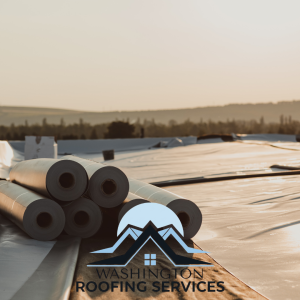
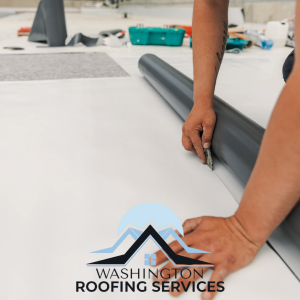
TPO stands for thermoplastic polyolefin, while PVC stands for polyvinyl chloride. Both are single ply roofing membranes commonly installed on flat and low slope buildings. Both can have reinforced construction, reflective surfaces, and seams joined using hot air welding.
As Andrew explains:
“They’re actually very similar in appearance and feel, although an experienced hand can figure out the difference between the two.”
TPO is commonly white, but PVC roofing can be white too. Both materials also come in other colors. Dirt, surface wear, and previous repairs make visual identification even less dependable.
An experienced roofer may notice clues in flexibility, texture, or exposed edges. However, those clues should support identification rather than replace verification. A roof’s age or color cannot reliably establish its material.
Check Records Before Judging a TPO Roof
Start somewhere safer than the rooftop: your property files. Original proposals, invoices, warranty documents, and maintenance records may identify the manufacturer and membrane type.
Look for information that connects the paperwork to the actual roof section. A building may have multiple additions or repaired areas with different roofing systems. An old invoice for TPO does not prove that every section contains that material today.
Useful records include:
- The original roofing installation contract
- Manufacturer warranty registration
- Membrane product names and thickness
- Photographs taken during construction
- Records of later repairs or replacement
TPO roofing should be identified by more than a contractor’s general description of a “rubber roof.” That phrase is often used loosely and can refer to entirely different materials.
Washington Roofing Services can help assess those records alongside the existing conditions, especially when the paperwork leaves questions unanswered.
Confirm PVC Roofing With Compatible Components
Manufacturer printing on exposed membrane edges or accessible material can provide valuable evidence. Labeled accessories may also offer clues about whether the original installation used TPO or PVC.
Andrew describes one practical starting point:
“we usually have, like, a vent or something that we can look at that says TPO or PVC on it, so that makes it easy.”
However, a marked pipe boot or accessory is not absolute proof of the surrounding membrane. Previous contractors may have installed an incompatible component or worked on only one area.
PVC membranes and TPO require compatible repair products and manufacturer approved procedures. Do not assume a patch intended for PVC will work on TPO, or vice versa.
Leave lifting edges, opening seams, or removing a layer of material to a qualified professional. Never try to identify roofing by tasting it, burning it, or applying household solvents.
Chemical Resistance and Other Key Differences
Once the material is confirmed, the next question is whether it suits the building’s exposure and use.
PVC generally offers better chemical resistance to certain fats, oils, and chemicals than standard TPO formulations. That can make PVC roofing worth considering for commercial properties with restaurant exhaust or particular industrial exposures. Compatibility still depends on the exact substance, its concentration, and the manufacturer’s guidance.
TPO is often selected for its balance of performance and cost. TPO roofing can be a practical choice for many commercial applications without unusual chemical exposure.
PVC has a longer track record in the roofing market, but that does not mean every PVC product will outperform every TPO product. Membrane formulation, thickness, drainage, workmanship, and maintenance all influence performance.
Fire resistance also depends on the tested roof assembly, not simply whether the surface is TPO or PVC. Insulation, deck type, and attachment method matter.
Energy Efficiency, Installation, and Cost
Both TPO and PVC can support energy efficiency when their surfaces have suitable solar reflectance and thermal emittance ratings. Neither material automatically guarantees lower utility bills.
Actual energy efficiency depends on insulation, climate, roof condition, and how the building operates. Comparing rated products is more useful than choosing by membrane name alone.
Installation quality is equally important. Properly welded seams, secure perimeter details, and well constructed penetrations help roofing systems perform as intended. Even a premium membrane can develop problems when those details are neglected.
PVC roofing often carries a higher initial cost than comparable TPO options, but project pricing varies. Access, insulation requirements, drainage corrections, and existing roof conditions can change the estimate substantially.
For commercial roofing decisions, the best comparison considers the entire assembly and expected maintenance rather than membrane price alone.
Ask Washington Roofing Services for a Clear Answer
If your next project involves solar panels, rooftop equipment, or leak repairs, confirm the material before anyone starts work. Guessing between TPO and PVC can lead to incompatible repairs and avoidable expense.
Washington Roofing Services is a practical starting point for understanding what is on your roof and what that means for the next step. Andrew can review the available clues, explain material considerations, and discuss appropriate roofing work without asking you to diagnose the system yourself.
His invitation is straightforward:
“Call me anytime.”
Contact Washington Roofing Services to discuss your roof and arrange an assessment before making decisions based on appearance alone.