What Is a Fortified Roof?
What Is a Fortified Roof? A Complete Guide to Stronger, Storm-Resistant Homes
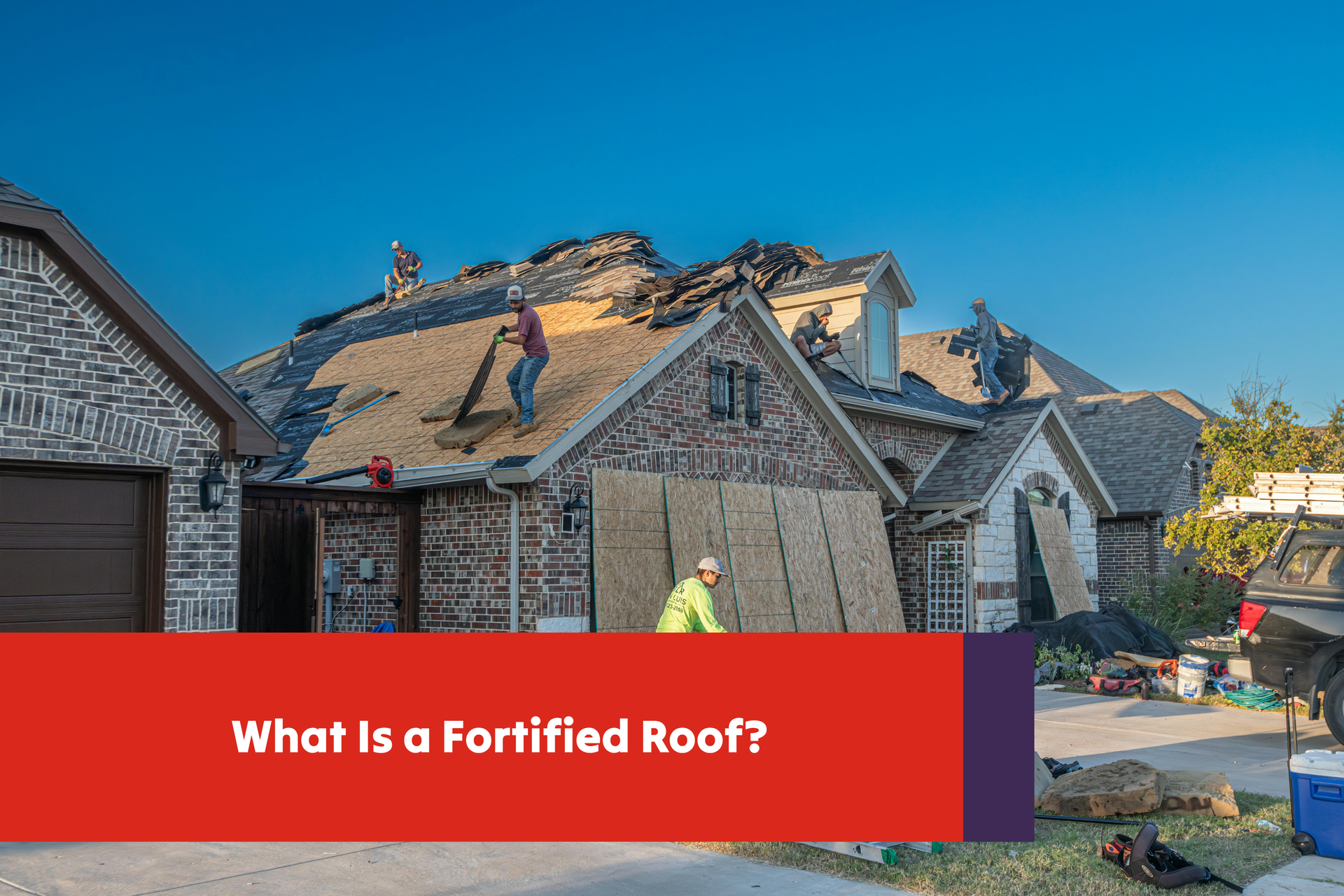
Every homeowner wants a roof that can stand up to nature's toughest challenges. From powerful wind to heavy rain and destructive storms, your roof serves as your home's first line of defense. But not all roofing systems are built the same. A standard roof may satisfy local building codes, while a fortified roof goes several steps further by using enhanced construction methods and carefully selected materials that help protect your home when extreme weather strikes.
If you've ever wondered what is a fortified roof, you're not alone. More homeowners are exploring this advanced roofing solution because it provides greater durability, better storm resistance, and may even help reduce long-term repair costs. At Washington Roofing, we believe informed homeowners make better decisions. This guide explains everything you need to know about fortified roofing, how it works, and why it has become an increasingly popular investment for protecting residential and commercial properties.
What Is a Fortified Roof and Why Does It Matter?
So, what is a fortified roof exactly?
A fortified roof is a roofing system that follows a specialized construction program developed to help homes better withstand severe weather. Unlike traditional roofing methods that simply satisfy minimum building code requirements, a fortified standard focuses on strengthening every major component of the roofing system.
These enhanced construction practices are designed to reduce damage caused by storm conditions, high winds, heavy rain, hail, and even hurricanes in vulnerable regions.
A properly installed fortified roof strengthens critical areas including the:
- Roof deck attachment
- Roof sheathing connections
- Waterproof sealing system
- Roof cover installation
- Roofing fasteners
- Edge protection
- Overall roofing assembly
These improvements work together to create a roofing system that is significantly more resilient than conventional installations.
How IBHS Created the Fortified Roofing Program
The IBHS, also known as the Insurance Institute for Business & Home Safety, developed the FORTIFIED program after years of extensive research into storm damage.
Rather than simply repairing roofs after disasters, the IBHS studied why certain homes survived major storms while others experienced extensive damage. Their findings led to the development of construction standards that improve roof performance during extreme weather events.
Today, many fortified roofs meet standards established through rigorous laboratory testing that simulates strong winds, flying debris, and driving rain. These testing methods help identify roofing systems that can better resist damage before problems begin.
At Washington Roofing, we stay informed about evolving industry standards so homeowners can better understand the options available when planning a roofing project.
Why a Fortified Roof Performs Better During Severe Weather
One of the biggest advantages of a fortified roof is its ability to resist damage from severe weather.
Traditional roofing systems often fail when wind lifts the roof covering, allowing water to penetrate the structure. Once moisture reaches the roof deck or roof sheathing, repairs can quickly become expensive.
A fortified roof keeps the roofing system intact by improving How its components work together.
Several important improvements include:
- Stronger fastening methods that resist uplift caused by high winds
- Better sealing techniques because fortified roof decks must be sealed
- Enhanced attachment of the roof deck
- Improved installation of roof covering materials
- Stronger edge protection that reduces pressure created by powerful winds
Together, these upgrades help homes better withstand severe weather while reducing the likelihood of catastrophic roof failure.
Roof Deck Improvements That Strengthen Your Home
The roof deck forms the structural foundation beneath your roofing materials. If it becomes damaged or detached during a storm, the rest of the roofing system is compromised.
A key requirement in many fortified guidelines is to improve how the roof sheathing attaches to the framing.
Proper fastening methods increase the roof's ability to resist uplift forces generated during severe storms.
Another important requirement is waterproof protection. Since fortified roof decks must be sealed, water is far less likely to enter the home if shingles are blown away.
This additional moisture barrier helps reduce interior damage, protects insulation, and minimizes costly repairs after major weather events.
At Washington Roofing, we understand how every layer of a roofing system contributes to long-term performance.
How Building Codes Compare to the Fortified Standard
Many people assume that meeting local building codes automatically provides maximum protection. In reality, building codes establish minimum acceptable construction requirements.
The fortified standard goes beyond these minimum expectations.
While a typical building code focuses on basic safety, fortified construction emphasizes long-term durability and improved resistance against severe storms.
A contractor following fortified guidelines pays close attention to fastening patterns, waterproof barriers, roof edge reinforcement, and approved installation techniques.
Because fortified roofs require enhanced installation practices, homeowners receive a roofing system specifically engineered to withstand more severe weather conditions than many conventional roofs.
Choosing experienced professionals like Washington Roofing helps ensure every component is installed with careful attention to quality workmanship.
Choosing the Right Roofing Materials for Fortified Roofing
High-quality materials play an essential role in the success of fortified roofing.
Not every product automatically qualifies for fortified construction. The roofing system must combine durable products with proper installation techniques.
Depending on the home, recommended products may include impact-resistant shingles, stronger fasteners, upgraded waterproof membranes, and enhanced roof edge systems.
Selecting the appropriate roof cover is equally important. Different climates may require different roofing products based on expected weather conditions.
Whether installing asphalt shingles, metal roofing, or other systems, every component should work together as one integrated roofing assembly.
At Washington Roofing, we help homeowners understand which products best fit their home's design, local climate, and long-term protection goals.
Insurance Benefits Homeowners Should Know About
One reason many homeowners consider a fortified home is the potential for insurance savings.
Some insurance providers recognize the reduced risk associated with fortified construction and may offer discounts depending on the property's location and the specific policy.
Although savings vary between companies, a stronger roofing system often lowers the likelihood of costly claims following severe weather.
Before beginning a roofing project, every homeowner should speak with their insurance provider to determine whether fortified certification qualifies for premium reductions.
Even when discounts are modest, fewer repairs and improved storm protection can provide valuable long-term financial benefits.
The team at Washington Roofing encourages homeowners to explore both the immediate and long-term value of investing in stronger roofing systems.
Is a Fortified Roof Worth the Investment?
For many homeowners, the answer is yes.
While fortified construction may involve additional upfront costs, the benefits often outweigh the investment over time.
A fortified home offers greater protection against wind, rain, and severe storms. Stronger construction reduces the chance of roof failure, protects valuable belongings, and may lower maintenance expenses throughout the roof's lifespan.
Whether you own a family residence or a commercial property, choosing fortified roofing demonstrates a proactive approach to protecting your investment.
Working with an experienced contractor ensures every stage of installation follows best practices, giving you confidence that your roofing system is built for lasting performance.
Protect Your Home with Confidence
Your roof protects everything beneath it, making it one of the most important investments you'll ever make. Understanding what is a fortified roof allows you to make smarter decisions about protecting your property from today's increasingly unpredictable weather. Whether you're replacing an aging roof or planning a new construction project, Washington Roofing delivers dependable craftsmanship, premium materials, and expert guidance tailored to your needs. Contact Washington Roofing today and let our experienced team help you build a stronger, safer roof that stands ready for whatever nature brings.