What Is Roof Flashing?
What Is Roof Flashing? A Complete Guide to Protecting Your Roof from Water Damage
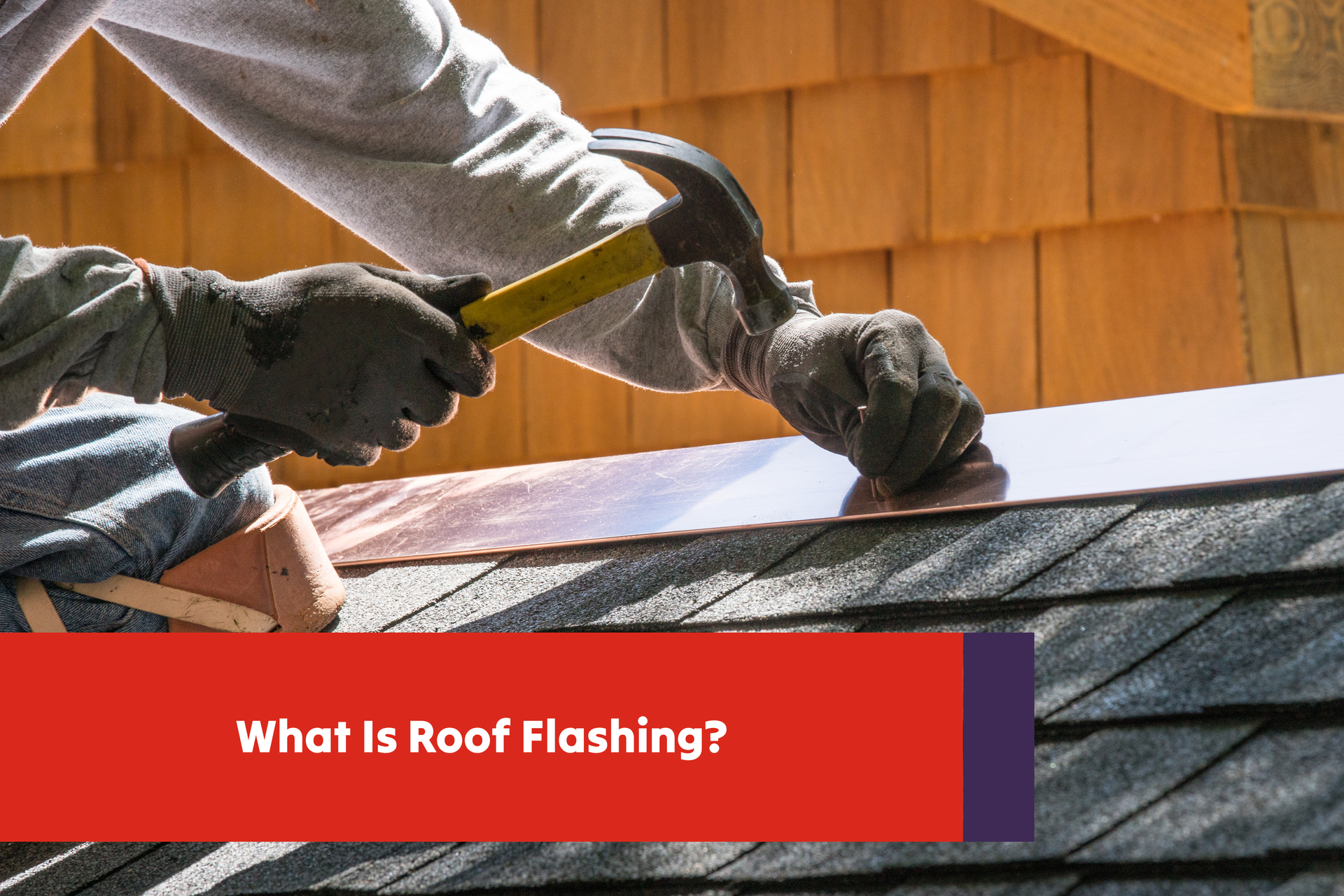
Your roof stands between your home and the elements every single day. While many homeowners pay attention to shingles, gutters, and ventilation, one of the most important components often goes unnoticed. If you have ever wondered what roof flashing is, you are not alone. Roof flashing is a critical part of every roofing system because it prevents water from entering vulnerable areas where different sections of the roof meet.
At Washington Roofing, we believe informed homeowners make better decisions about protecting their investments. Understanding how roof flashing works can help you identify potential issues before they become expensive repairs. In this guide, we'll explain everything you need to know about roof flashing, including its purpose, common types, installation methods, materials, maintenance tips, and when it's time to call experienced roofing professionals.
What Is Roof Flashing and Why Does Every Roof Need It?
So, what is roof flashing? Roof flashing is a protective barrier, typically made from durable metal, that directs water away from joints, seams, and other vulnerable parts of a roof. Without properly installed roof flashings, rainwater can seep beneath the roofing system, leading to rot, mould, and costly structural damage.
Every building has areas where the roof changes direction or where objects protrude through the surface. These locations require carefully installed flashings because they are naturally more susceptible to leaks. Whether around a chimney, skylight, vent pipe, or wall intersection, flashing acts as the first line of defence against moisture intrusion.
At Washington Roofing, our experts inspect these critical areas thoroughly to ensure every roofing system provides dependable, long-lasting protection.
Understanding the Different Types of Roof Flashing
Not all flashing serves the same purpose. Different areas of the roof require specialised designs to channel water safely away from vulnerable points.
Some of the most common types include:
- Step flashing protects the intersection where a roof meets a vertical wall. Typically, step flashing consists of multiple short pieces of metal layered between each course of shingles.
- Headwall flashing protects the top section where a sloped roof meets a vertical wall.
- Sidewall flashing seals the sides of walls connected to the roof.
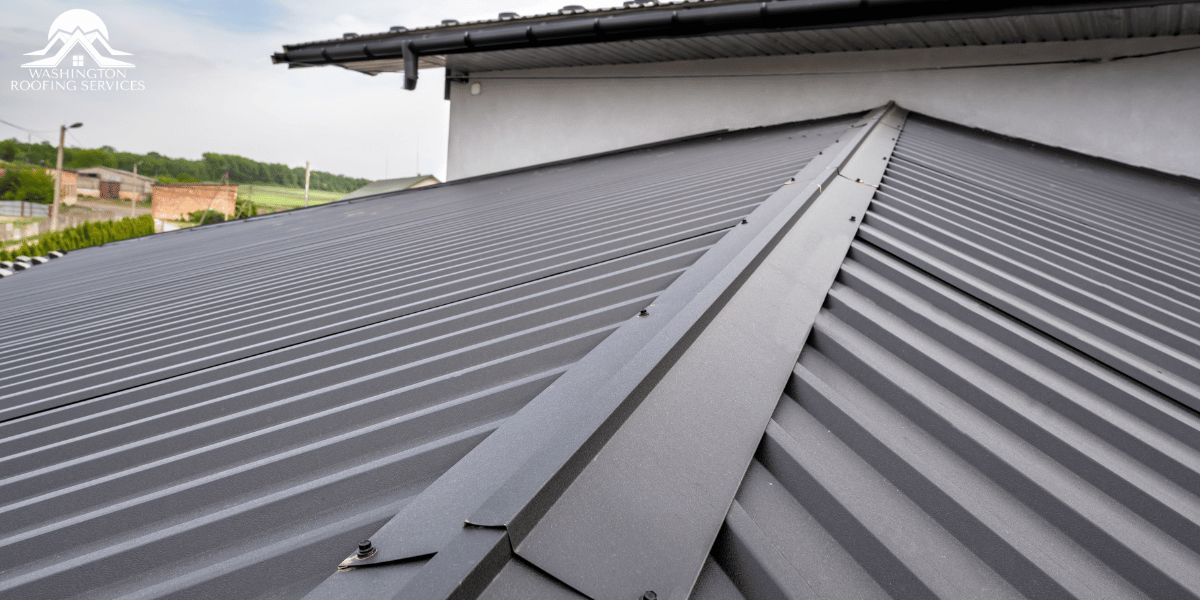
- Valley flashing is installed where two roof slopes meet to direct heavy water flow.
- Pan flashing surrounds openings such as windows or skylights.
- Base flashing is commonly used around chimneys and allows movement without breaking the waterproof seal.
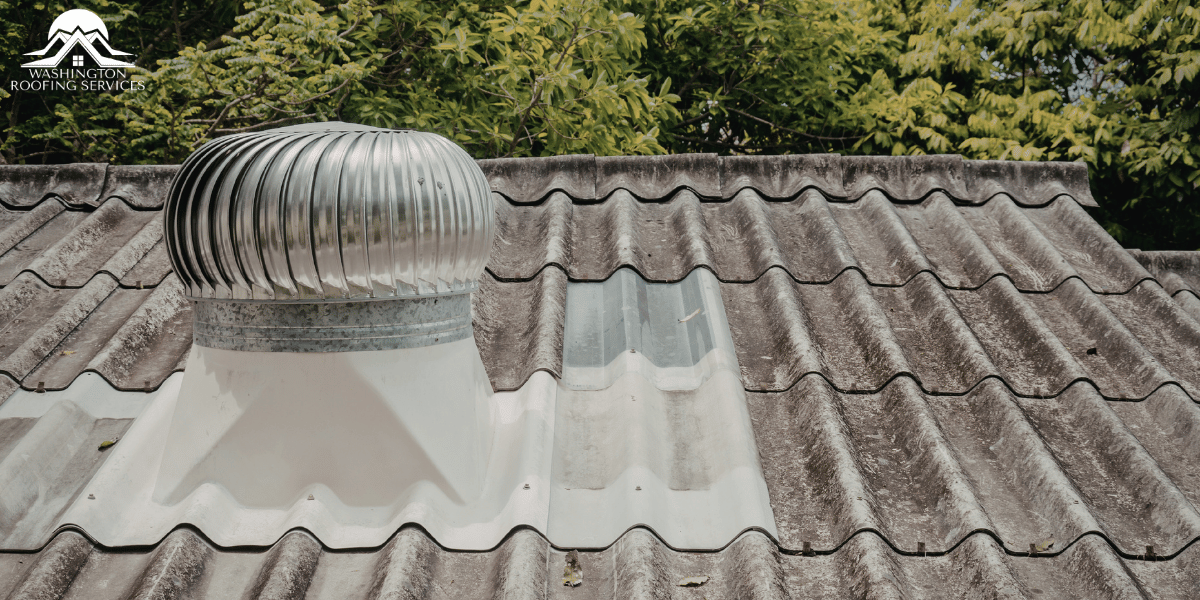
- Flashing around every roof penetration, including vents and a pipe, helps prevent leaks where fixtures extend through the roof.
Each type is carefully designed to handle water differently, ensuring every part of your roofing system remains protected.
Choosing the Right Flashing Materials for Long-Term Protection
Selecting quality flashing materials is just as important as proper installation. The material must withstand harsh weather, temperature changes, and years of exposure without deteriorating.
Common materials include galvanised steel, aluminium, copper, and stainless steel. Each offers unique benefits depending on the home’s location, climate, and roofing design.
Metal flashing remains the most popular option because it is durable, corrosion-resistant, and compatible with many roofing systems. Copper flashing offers exceptional longevity, while aluminium provides an economical solution for many residential roofs.
At Washington Roofing, we carefully recommend flashing materials based on your home's specific needs, ensuring lasting performance rather than temporary fixes.
How Roof Flashing Works with Shingles to Prevent Roof Leaks
A roofing system functions as one complete protective layer. While shingles shed most rainwater, they cannot completely waterproof areas where surfaces intersect.
This is where roof flashing becomes essential.
Flashing directs water onto the surface of the shingles instead of allowing moisture to penetrate beneath them. During heavy rainfall, properly installed flashing creates controlled pathways that safely move water toward gutters.
Without flashing, moisture can reach the roof deck, soak the wooden deck, weaken structural supports, and eventually create serious roof leaks. In colder climates, trapped moisture may also freeze, expanding cracks and increasing damage over time.
The combination of quality shingles and professionally installed flashing provides homeowners with complete weather protection.
Professional Installation Makes All the Difference
Even premium flashing materials cannot perform properly without expert installation.
Roof flashing must be measured precisely, cut accurately, and integrated into the roofing system in accordance with local code requirements. Installers often seal vulnerable joints with approved roofing products while avoiding excessive reliance on roofing cement, since flashing should primarily shed water rather than depend entirely on sealants.
Professional roofing professionals understand How to:
- Position each flashing piece correctly.
- Secure flashing without restricting natural roof movement.
- Install protective cap components where required.
- Ensure water flows naturally away from seams.
- Prevent future roof leaks.
At Washington Roofing, every installation follows proven industry standards because even small mistakes can allow hidden moisture intrusion that becomes expensive months or years later.
Common Signs Your Roof Flashings Need Attention
Like every roofing component, flashing experiences wear over time. Weather exposure, storms, ageing materials, and improper installation may all contribute to failure.
Watch for warning signs such as:
- Water stains on ceilings or walls.
- Rusted or corroded flashing.
- Loose or lifted flashing pieces.
- Missing shingles around flashing.
- Cracked roofing cement.
- Visible gaps near a chimney, vent, or pipe.
- Persistent roof leaks after heavy rain.
If you notice any of these issues, scheduling an inspection promptly can help prevent more extensive structural repairs.
Washington Roofing regularly helps homeowners identify flashing problems before they develop into significant roofing damage.
Why DIY Flashing Repairs Often Lead to Bigger Problems
Many homeowners assume flashing repairs are simple because the affected area appears small. However, roof flashing is one of the most technically demanding parts of a roofing system.
Improper repairs may trap water beneath roofing materials, damage the roof deck, or violate local building code requirements. Incorrectly placed flashing pieces can even direct water toward the home rather than away from it.
Professional roofers understand How different roof slopes, valleys, walls, and penetrations interact with water flow. Rather than applying excessive amounts of cement or temporary sealants, experienced installers address the underlying issue.
Choosing Washington Roofing means your repairs are completed correctly the first time, reducing future repair costs while protecting your home’s value.
Routine Roof Maintenance Helps Flashing Last Longer
Regular maintenance significantly extends the life of both your roof and its flashing system.
Annual inspections allow professionals to identify small issues before they become major problems. Cleaning debris from valleys, checking metal components for corrosion, inspecting sealants, and examining areas around every roof penetration all contribute to better long-term performance.
Storm inspections are equally important because high winds can loosen flashings even when shingles appear undamaged.
At Washington Roofing, preventative maintenance helps homeowners maximise the lifespan of their entire roofing investment while minimising unexpected repair expenses.
Protect Your Home with Expert Roofing Solutions
Every successful roofing system depends on details that most homeowners never see. Roof flashing quietly protects vulnerable areas every day by directing water away from joints, walls, valleys, and penetrations before leaks can occur.
Whether you need a flashing inspection, repair, replacement, or a complete roofing installation, working with experienced professionals ensures lasting protection. Washington Roofing combines quality craftsmanship, premium materials, and careful attention to detail on every project. From replacing damaged flashings to installing complete roofing systems, Washington Roofing is committed to helping homeowners protect what matters most.
When you want dependable roofing solutions built to withstand the elements, trust Washington Roofing to deliver exceptional results with professionalism and care.